
Global Azithromycin Market Size, Share, Trends by 2034

Azithromycin Market By Formulation (Tablets, Capsules, Oral Suspension, Injectable, Powder for Suspension, Extended Release, and Others), By Application (Respiratory Infections, Skin Infections, Sexually Transmitted Infections, Ear Infections, Bacterial Pneumonia, Bronchitis, Sinusitis), By Distribution Channel (Hospital Pharmacies, Retail Pharmacies, Online Pharmacies, Drug Stores, Clinics), By End-User (Hospitals, Clinics, Ambulatory Surgical Centers, Individual Patients, Long-Term Care Facilities), and By Region - Global and Regional Industry Overview, Market Intelligence, Comprehensive Analysis, Historical Data, and Forecasts 2025 - 2034
| Market Size in 2024 | Market Forecast in 2034 | CAGR (in %) | Base Year |
|---|---|---|---|
| USD 1524.75 Million | USD 2842.23 Million | 6.54% | 2024 |
Azithromycin Industry Prospective:
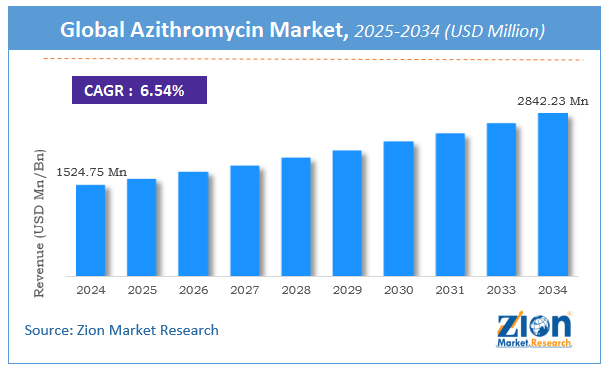
The global azithromycin market size was worth approximately USD 1524.75 Million in 2024 and is projected to grow to around USD 2842.23 Million by 2034, with a compound annual growth rate (CAGR) of roughly 6.54% between 2025 and 2034.
Key Insights:
- As per the analysis shared by our research analyst, the global azithromycin market is estimated to grow annually at a CAGR of around 6.54% over the forecast period (2025-2034).
- In terms of revenue, the global azithromycin market size was valued at approximately USD 1524.75 Million in 2024 and is projected to reach USD 2842.23 Million by 2034.
- The azithromycin market is projected to grow significantly due to the rising incidence of bacterial infections, increasing respiratory disease prevalence, and expanding healthcare infrastructure in developing countries.
- Based on formulation, the tablets segment is expected to lead the azithromycin market, while the oral suspension segment is anticipated to experience significant growth.
- Based on application, the respiratory infections segment is expected to lead the azithromycin market, while the bacterial pneumonia segment is anticipated to witness notable growth.
- Based on distribution channel, the hospital pharmacies segment is the dominating segment, while the online pharmacies segment is projected to witness sizeable revenue over the forecast period.
- Based on end-user, the hospitals segment is expected to lead the market compared to the individual patient segment.
- Based on region, North America is projected to dominate the global azithromycin market during the estimated period, followed by Europe.
Azithromycin Market: Overview
Azithromycin is a macrolide antibiotic used for treating bacterial infections of the lungs, throat, skin, ears, sinuses, and several other body areas. The drug works by blocking bacterial protein production, which slows bacterial growth and allows the immune system to clear the infection efficiently. Physicians prescribe azithromycin for pneumonia, bronchitis, strep throat, ear infections, sinus infections, and selected sexually transmitted infections across adult and pediatric patients. Azithromycin is available as oral tablets, capsules, liquid suspension for children, and injectable formulations for severe hospital-managed infections and clinical use.
A key benefit is the short dosing schedule, with many treatments lasting three to five days while remaining effective for several days after completion. Generic azithromycin availability supports global access, cost efficiency, and widespread use in the treatment of respiratory tract infections, making this antibiotic essential in modern clinical practice worldwide across healthcare settings. Healthcare providers value azithromycin for its broad-spectrum antibacterial activity and generally well-tolerated safety profile across diverse patient populations. Ongoing research and quality manufacturing standards continue to support the reliable use of azithromycin in hospitals, clinics, and community healthcare settings.
The increasing prevalence of bacterial infections and growing healthcare access worldwide are expected to drive growth in the azithromycin market throughout the forecast period.
Azithromycin Market Dynamics
Growth Drivers
How are rising bacterial infection rates and respiratory diseases driving the azithromycin market growth?
The azithromycin market continues to expand as bacterial infections affect millions globally, driving steady demand for trusted antibiotic treatment across hospitals, clinics, and pharmacies. Respiratory tract infections, such as pneumonia, bronchitis, and sinusitis, remain common worldwide, leading physicians to prescribe azithromycin for effective lung-focused infection control. Patients with chronic lung conditions, including asthma and chronic obstructive pulmonary disease, often receive azithromycin during flare-ups to reduce bacterial infection risk. Pediatric and adult populations benefit from azithromycin tablets, capsules, liquid suspensions, and injectables, offering short treatment courses, improved adherence, and reliable clinical outcomes.
Sexually transmitted infections, skin infections, and traveler-related bacterial illnesses support ongoing azithromycin use due to single-dose therapy convenience. Rising populations of elderly, immunocompromised, and hospitalized patients strengthen the growth of the azithromycin market, as safety, efficacy, and broad-spectrum antibacterial coverage remain essential. Improved diagnostic capabilities and early detection of infection increase appropriate antibiotic use across primary and secondary healthcare settings. Strong clinician familiarity and long-term clinical experience further reinforce azithromycin's preference for managing common bacterial infections.
Expanding healthcare access and generic availability
The global azithromycin market is experiencing strong growth, driven by healthcare expansion and the availability of affordable generic antibiotics, which are improving access to bacterial infection treatment worldwide. Patent expiry allows pharmaceutical manufacturers to produce low-cost generic azithromycin, thereby increasing availability in developing countries and price-sensitive healthcare markets. Government health programs and essential medicine lists include azithromycin, supporting supply through public hospitals, clinics, and community healthcare centers. International health organizations use azithromycin in mass treatment programs for childhood infections and trachoma across low-resource regions.
Primary care growth, mobile clinics, pharmacies, and telemedicine services expand azithromycin distribution, improving infection management in rural underserved populations. Insurance coverage for online pharmacies and medical outreach programs reduces treatment costs, thereby strengthening global demand for azithromycin and improving long-term accessibility. School health initiatives and community workers support early infection treatment using azithromycin, thereby preventing complications and reducing hospital burden.
Restraints
Antibiotic resistance concerns and regulatory oversight
The azithromycin market faces serious challenges from rising antibiotic resistance, where bacteria survive treatment and reduce the effectiveness of widely used antibacterial medications. Misuse and overuse of antibiotics for viral illnesses accelerate resistance, forcing doctors to limit azithromycin prescriptions and rely on alternative therapies. Several bacterial strains exhibit reduced susceptibility to azithromycin, increasing treatment costs and side-effect risks while reducing confidence in standard antibiotic options. Strict antibiotic stewardship policies, diagnostic requirements, and hospital formulary controls reduce prescription volumes, thereby slowing overall azithromycin market growth globally.
Intense generic competition lowers azithromycin pricing, compressing manufacturer margins and discouraging investment in production quality, supply stability, and innovation. Safety concerns, drug interactions, patient hesitancy, and counterfeit azithromycin products further weaken trust, treatment adherence, and market performance across developing healthcare systems. Ongoing regulatory scrutiny and rising demand for resistance-monitoring tools add operational pressures on manufacturers and healthcare providers across global markets.
Opportunities
How is the growing pediatric population and respiratory disease burden creating new opportunities for the azithromycin market?
The azithromycin market shows strong growth opportunities as rising pediatric populations and increased awareness of respiratory diseases drive demand for pediatric-friendly antibiotic formulations worldwide. High birth rates across Asia, Africa, and Latin America create large child populations experiencing ear, throat, and respiratory infections requiring effective antibiotic treatment. Childhood pneumonia remains a leading cause of death in developing regions, with health programs promoting azithromycin as an essential lifesaving medicine.
Taste-masked liquid azithromycin improves acceptance among children, while short-course dosing helps parents complete treatment schedules successfully. School health, maternal care, and daycare expansion increase early infection detection and pediatric antibiotic use across community healthcare settings. Rising allergies, improved survival among premature infants, and active lifestyles increase skin and respiratory infections, supporting steady demand for pediatric azithromycin. Expanding pediatric healthcare infrastructure and government immunization support further strengthen azithromycin adoption for managing common childhood bacterial infections globally. Improved parental awareness and better access to pediatric care increase timely diagnosis and treatment of bacterial infections using azithromycin.
Challenges
How are supply chain complexities and quality control requirements creating challenges for the azithromycin industry?
The azithromycin industry faces supply and manufacturing challenges stemming from global supply chains, strict quality standards, and regulatory pressures that affect availability and pricing worldwide. Active pharmaceutical ingredient production remains concentrated in limited regions, creating dependency risks during geopolitical disruptions, trade restrictions, natural disasters, or logistics failures. Manufacturers must meet complex international regulatory requirements, extensive testing protocols, and pharmacovigilance rules, thereby increasing compliance costs, administrative workload, and operational complexity.
Cold chain storage, inventory control, and short-shelf-life liquid formulations raise distribution costs, especially across tropical regions, rural areas, and regions with weaker infrastructure. Counterfeit azithromycin risks force investment in secure packaging tracking systems, authentication technologies, and protecting patient safety and brand trust. Seasonal infection spikes, environmental regulations, capacity limits, and rural distribution challenges continue restricting reliable azithromycin supply across underserved healthcare markets.

Azithromycin Market: Report Scope
| Report Attributes | Report Details |
|---|---|
| Report Name | Azithromycin Market |
| Market Size in 2024 | USD 1524.75 Million |
| Market Forecast in 2034 | USD 2842.23 Million |
| Growth Rate | CAGR of 6.54% |
| Number of Pages | 270 |
| Key Companies Covered | Pfizer Inc., Teva Pharmaceutical Industries Ltd., Sandoz International GmbH, Mylan NV, Hikma Pharmaceuticals PLC, Aurobindo Pharma Limited, Sun Pharmaceutical Industries Ltd., Lupin Limited, Cipla Inc., Dr Reddy's Laboratories Ltd., Zydus Cadila, Apotex Inc., Glenmark Pharmaceuticals Ltd., Fresenius Kabi AG, and Baxter International Inc. |
| Segments Covered | By Formulation, By Application, By Distribution Channel, By End User, and By Region |
| Regions Covered | North America, Europe, Asia Pacific (APAC), Latin America, The Middle East and Africa (MEA) |
| Base Year | 2024 |
| Historical Year | 2019 to 2023 |
| Forecast Year | 2025 - 2034 |
| Customization Scope | Avail customized purchase options to meet your exact research needs. Request For Customization |
Azithromycin Market: Segmentation
The global azithromycin market is segmented based on formulation, application, distribution channel, end-user, and region.
Based on formulation, the global azithromycin industry is segregated into tablets, capsules, oral suspension, injectable, powder for suspension, extended release, and others. Tablets lead the market due to patient preference for solid oral dosage forms, ease of administration without preparation requirements, longer shelf life compared to liquid formulations, and lower manufacturing costs, enabling competitive pricing.
Based on application, the industry is segmented into respiratory infections, skin infections, sexually transmitted infections, ear infections, bacterial pneumonia, bronchitis, and sinusitis. Respiratory infections lead the market due to the high global prevalence of these conditions, and azithromycin's proven effectiveness against respiratory pathogens.
Based on distribution channel, the global azithromycin market is classified into hospital pharmacies, retail pharmacies, online pharmacies, drug stores, and clinics. Hospital pharmacies are expected to lead the market during the forecast period due to their role in dispensing medications for inpatient treatments, emergency department prescriptions, and discharge medications following hospital stays for serious infections.
Based on end-user, the global market is divided into hospitals, clinics, ambulatory surgical centers, individual patients, and long-term care facilities. Hospitals hold the largest market share because they treat severe infections requiring injectable azithromycin, manage complex cases requiring inpatient care, and serve large patient populations through emergency and outpatient departments.
Azithromycin Market: Regional Analysis
What factors are contributing to North America's dominance in the global azithromycin market?
North America is expected to hold around 38% market share in 2025, leading the global azithromycin market. North America leads the azithromycin market due to advanced healthcare infrastructure, high prescription volumes, strong insurance coverage, and strict regulatory systems ensuring the quality. In the United States, healthcare delivery networks are sophisticated, and physicians commonly prescribe azithromycin for confirmed bacterial infections in accordance with evidence-based clinical guidelines. Respiratory infections, including pneumonia, bronchitis, and sinusitis, occur frequently across varied climates, creating steady year-round demand for reliable antibiotic treatments.
Comprehensive insurance coverage through private plans, Medicare, and Medicaid lowers treatment costs, allowing patients consistent access to prescribed azithromycin therapy. Large retail pharmacy chains provide convenient azithromycin access with extended hours, supporting timely prescription fulfillment for working adults and families. Hospitals stock oral and injectable azithromycin formulations, enabling effective treatment across outpatient care, emergency settings, and severe inpatient infections. Strong pediatric healthcare focus supports azithromycin use for ear infections, strep throat, and respiratory illnesses commonly affecting children. Sexually transmitted infection screening programs rely on single-dose azithromycin therapy, improving treatment completion rates and public health outcomes. Growing elderly populations increase pneumonia and skin infection risk, driving higher azithromycin prescriptions within Medicare and long-term care facilities.
Chronic diseases such as asthma, COPD, and diabetes raise infection vulnerability, supporting demand for well-tolerated broad-spectrum antibiotics. Strict FDA oversight maintains azithromycin safety, quality, and manufacturing compliance through approvals, inspections, and ongoing market surveillance programs nationwide. Canada mirrors regional strength through universal healthcare, stable prescribing practices, competitive generic drugs, and dependable pharmaceutical supply chains, thereby providing nationwide access. Ongoing medical research, clinical awareness, and infection monitoring systems reinforce sustained azithromycin demand across North American healthcare markets. Widespread clinician familiarity with azithromycin and long-term clinical use history support continued confidence in prescribing decisions across primary and specialty care settings. Ongoing investment in hospital infrastructure, digital health systems, and antimicrobial stewardship programs further stabilizes azithromycin utilization throughout North American healthcare systems.
Asia Pacific is experiencing significant growth.
Asia Pacific is projected to capture approximately 34% market share in 2025, driven by rapid healthcare expansion. Asia Pacific shows rapid growth in the azithromycin market due to large populations, expanding healthcare systems, and rising awareness of bacterial infection treatment needs. China and India represent massive patient bases where respiratory infections, pneumonia, and bacterial diseases create continuous demand across urban centers and rural communities. Expanding middle-class populations increasingly afford medical consultations, prescriptions, and branded or generic azithromycin beyond government-supported healthcare programs. High pollution levels in major cities increase respiratory illness rates, including bronchitis and pneumonia, requiring effective antibiotic therapy options.
Tropical climates across Southeast Asia support year-round bacterial transmission, maintaining steady infection rates that need antimicrobial treatment. Strong generic pharmaceutical manufacturing in India and China supplies affordable azithromycin for domestic use and global export markets. Government insurance expansion, private healthcare investment, and international aid programs improve access to medical services and antibiotic prescriptions. Large pediatric populations face pneumonia, ear infections, and diarrheal illnesses, supporting consistent demand for child-friendly azithromycin formulations.
Rapid urbanization increases population density, thereby increasing the spread of infection while expanding the availability of hospital clinics and diagnostic infrastructure. Growing pharmacy networks improve azithromycin availability through retail outlets, community drug stores, and hospital pharmacies. Improved medical education strengthens responsible antibiotic prescribing, supporting effective azithromycin use across healthcare settings. Integration of modern medicine with traditional practices encourages antibiotic use for serious bacterial infections requiring clinical intervention. Rising telemedicine adoption and digital prescription platforms further expand azithromycin access across remote and semi-urban areas within Asia Pacific healthcare systems. Continued government focus on infectious disease control and public health awareness programs supports long-term azithromycin market growth across the region.
Recent Market Developments:
- In May 2025, the European Medicines Agency’s Committee for Medicinal Products for Human Use recommended changes to clinical use patterns for azithromycin across the European Union to better address antibiotic resistance and promote responsible prescribing practices.
- In late 2025, UCL-led research highlighted concerns that mass administration of azithromycin in public health programs in Africa may contribute to increased antimicrobial resistance among bacteria causing pneumonia and meningitis, prompting calls for enhanced monitoring and stewardship.
Azithromycin Market: Competitive Analysis
The leading players in the global azithromycin market are-
- Pfizer Inc.
- Teva Pharmaceutical Industries Ltd.
- Sandoz International GmbH
- Mylan NV
- Hikma Pharmaceuticals PLC
- Aurobindo Pharma Limited
- Sun Pharmaceutical Industries Ltd.
- Lupin Limited
- Cipla Inc.
- Dr Reddy's Laboratories Ltd.
- Zydus Cadila
- Apotex Inc.
- Glenmark Pharmaceuticals Ltd.
- Fresenius Kabi AG
- Baxter International Inc.
The global azithromycin market is segmented as follows:
By Formulation
- Tablets
- Capsules
- Oral Suspension
- Injectable
- Powder for Suspension
- Extended Release
- Others
By Application
- Respiratory Infections
- Skin Infections
- Sexually Transmitted Infections
- Ear Infections
- Bacterial Pneumonia
- Bronchitis
- Sinusitis
By Distribution Channel
- Hospital Pharmacies
- Retail Pharmacies
- Online Pharmacies
- Drug Stores
- Clinics
By End User
- Hospitals
- Clinics
- Ambulatory Surgical Centers
- Individual Patients
- Long-Term Care Facilities
By Region
- North America
- The U.S.
- Canada
- Mexico
- Europe
- France
- The UK
- Spain
- Germany
- Italy
- Rest of Europe
- Asia Pacific
- China
- Japan
- India
- Australia
- South Korea
- Rest of Asia Pacific
- The Middle East & Africa
- Saudi Arabia
- UAE
- Egypt
- Kuwait
- South Africa
- Rest of the Middle East & Africa
- Latin America
- Brazil
- Argentina
- Rest of Latin America
Table Of Content
Methodology
FrequentlyAsked Questions

HappyClients